
What to Do If Asbestos Materials Are Disturbed
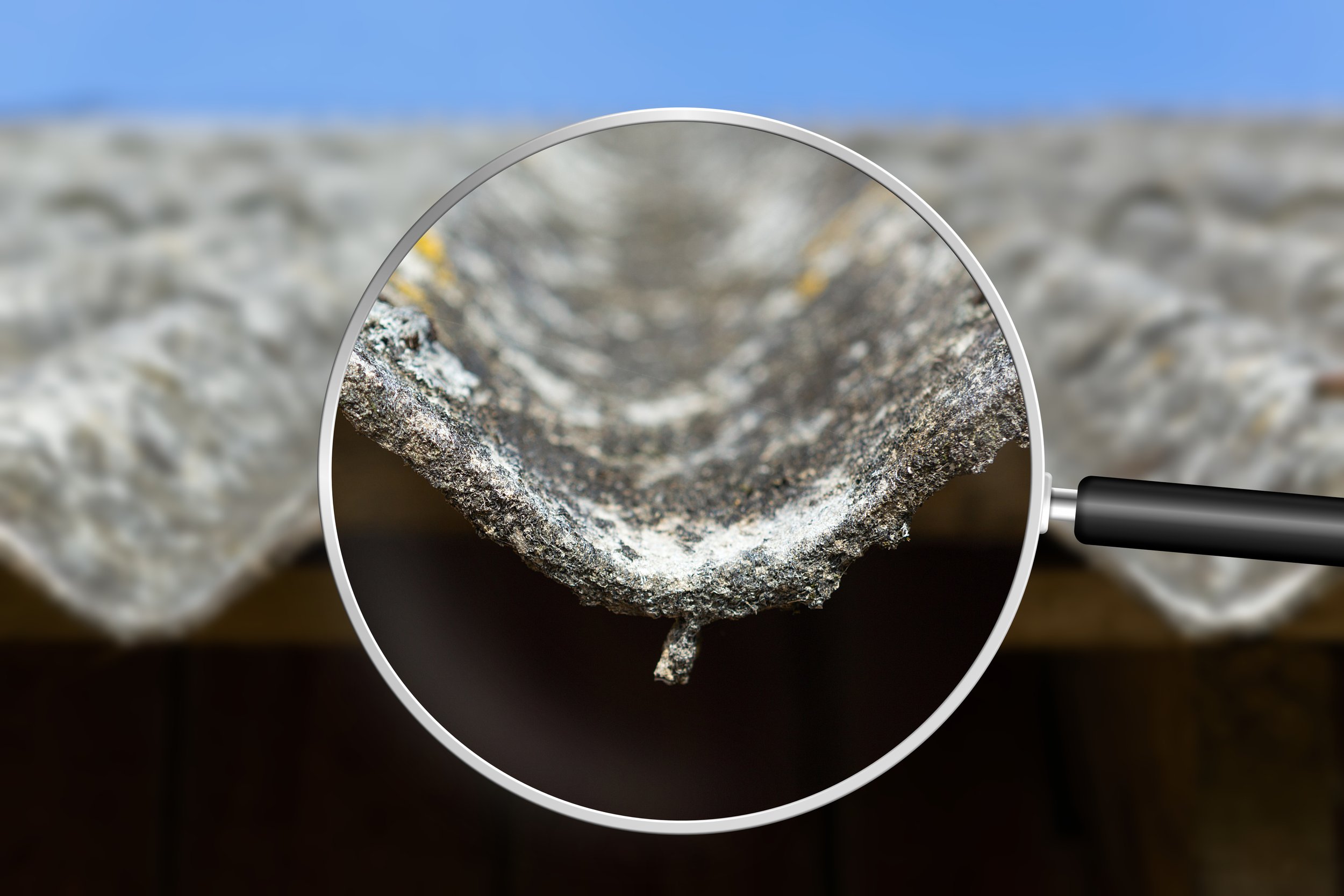
For property managers, duty holders and contractors, knowing how to respond is key to protect health and remain compliant with the Control of Asbestos Regulations 2012. This guide explains the steps you need to take to protect anyone in the vicinity.
Why is Disturbed Asbestos So Dangerous?
Asbestos containing materials (ACMs) that are in good condition and are left undisturbed generally present a much lower risk of fibre release. The risk increases when ACMs are damaged or disturbed and fibres are released into the air. If inhaled, these fibres can cause serious long-term health conditions, with the risk increasing depending on the level and duration of exposure. Asbestos-related disease remains a significant health issue in the UK.
Safety and Compliance in an Asbestos Emergency
If you’re made aware that asbestos containing materials have been disturbed or have deteriorated, it’s important to act promptly and follow the appropriate procedures. Those responsible for managing asbestos must have suitable arrangements in place to deal with asbestos-related accidents, incidents and emergencies. The following steps should be taken:
1. Halt all works and turn off any machinery when safe to do so
Ensure that no further work is done in or around the area to prevent any further disturbance.
2. Evacuate and restrict access
If it’s safe to do so, the area must be evacuated as quickly as possible. Access to the area should be prohibited unless authorised, to ensure no further contamination close doors, install barriers and warning signage.
3. Notify relevant stakeholders
Inform the person responsible for managing asbestos at the premises, who should check the asbestos register and Asbestos Management Plan. A report may also be required under the Reporting of Injuries, Diseases and Dangerous Occurrences Regulations 2013 (RIDDOR) where an uncontrolled release resulted in, or could foreseeably have resulted in, a significant risk to health. Specialist advice should be sought where there is uncertainty over whether the incident is reportable or what response is required.
4. Avoid cleaning or moving the materials
Do not attempt to clean up, remove or move suspected ACMs unless the work has been properly assessed and you are competent, trained and equipped to carry it out. Leave the area undisturbed and seek specialist assistance.
Engaging a Licensed Asbestos Contractor
Higher-risk work involving disturbed asbestos-containing materials must be carried out by a licensed asbestos contractor. Some lower-risk work may be non-licensed, but it must still be properly assessed and carried out by suitably trained and competent people using appropriate controls. The material and circumstances should be assessed to determine the safest course of action, which may include removal, repair or encapsulation to prevent further fibre release.
Asbestos Documentation
Throughout the process, you must keep detailed written records of the disturbance, including:
• The date, time and location of the incident
• The type of asbestos containing material involved
• The actions taken to secure the area
• Record of all correspondence with your stakeholders and contractors, as well as the enforcing authority (if applicable).
The incident also prompts a review of the Asbestos Management Plan, with any relevant information and actions updated accordingly.
Team Education
Essentially, people who work in the building or regularly visit buildings that could potentially have ACMs require appropriate asbestos information, instruction or training.
Periodic training is recommended to ensure that all staff are equipped to recognise potential asbestos risks and know what action to take if an incident occurs.
Preventing Further Asbestos Incidents
Regular inspections, a robust Contractor Management System and an up-to-date Asbestos Management Plan can help reduce the risk of asbestos being disturbed unexpectedly.
At 4site Consulting, we support clients with a range of asbestos and health and safety services, including surveys, re-inspections and asbestos awareness training.
If you need help reviewing your asbestos arrangements or understanding the right next step, our team is happy to help. Contact us on 01376 572936 or office@4siteconsulting.co.uk.
Useful Links:
HSE - Control of Asbestos Regulations 2012
HSE - Managing Asbestos Incidents